
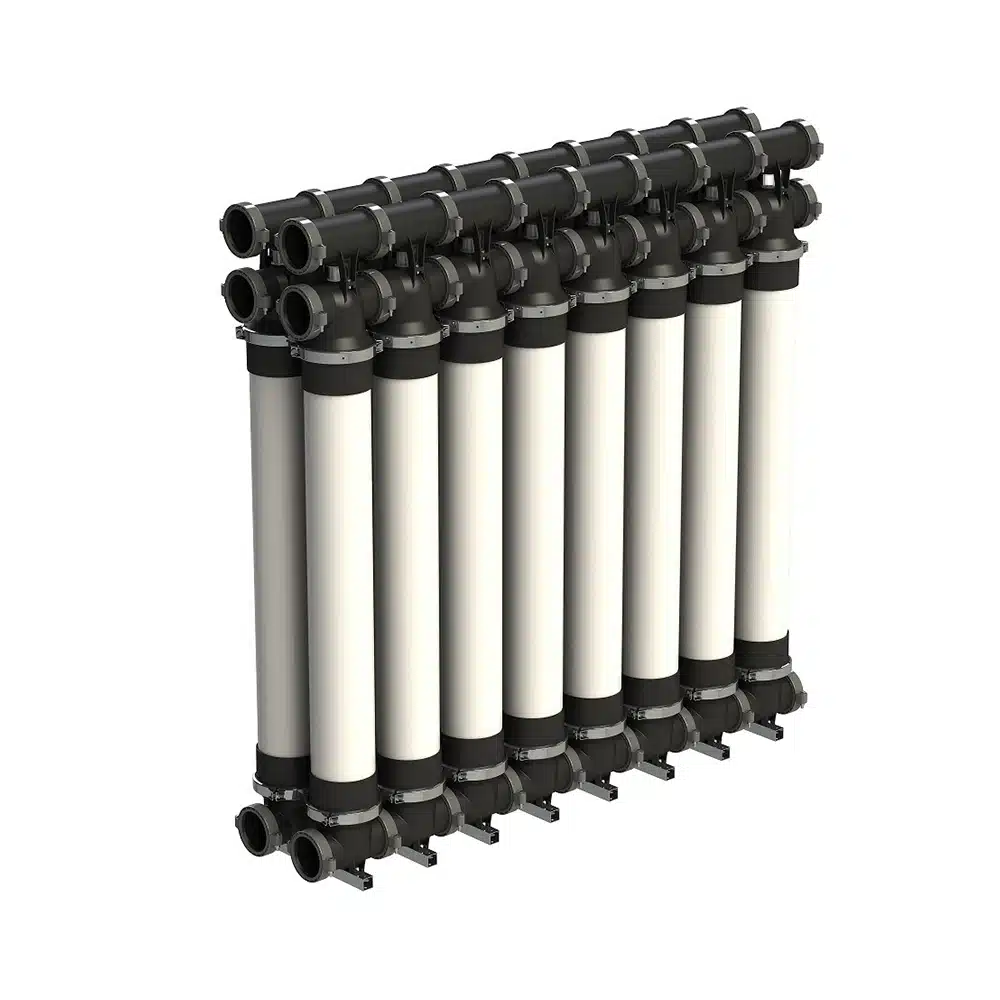
Veolia is expanding its water technology portfolio with a new generation of ultrafiltration (UF) membranes developed without polyvinylidene fluoride (PVDF), giving customers greater flexibility as European regulatory requirements evolve.
The development builds on more than 30 years of membrane technology expertise and forms part of Veolia’s broader strategy to adapt its solutions to changing regulatory and market conditions. The company will continue to offer its existing PVDF-based membranes alongside the new alternatives, allowing customers to select technologies suited to their operating environments without compromising on performance.
The expansion reflects Veolia’s ambition to anticipate regulatory shifts and diversify its technology offering, particularly in Europe, while maintaining its global position in water treatment. Its membranes are used in drinking water production, wastewater treatment and water reuse applications across municipal and industrial markets.
“By expanding our membrane technology portfolio, we’re enabling customers to navigate evolving regulatory landscapes without compromising on performance,” said Anne Le Guennec, CEO of Veolia’s water technology activities.
The new membranes will be manufactured at Veolia’s facility in Oroszlány, Hungary, and introduced as regulatory requirements and market conditions warrant. The facility will complement the company’s existing manufacturing footprint across North America, Asia and Europe, supporting its ability to deliver solutions tailored to regional needs.
The move aligns with Veolia’s GreenUp strategic programme, positioning portfolio diversification as a means of strengthening its responsiveness to regulatory change and customer demand. Rather than replacing its established PVDF-based technology, the company is broadening its options to support customers across different regulatory environments as requirements for water treatment technologies continue to evolve.