

By: Courtney Kocel, customer success manager, Aquatic Informatics
Every summer, visitors descend on Elk Rapids in northern Michigan, US, increasing the demands on its wastewater treatment plant (WWTP). Seasonal residents, a cherry processor and a brewery push daily flows to as much as 1.55 million litres, nearly double the winter level. With just two staff members running the plant and a third due to join, managing operational data efficiently is essential.
When Lane Peterson joined the Elk Rapids Public Works Department as lead operator, he found a system built around Excel spreadsheets, separate folders and manual reporting. At his previous facility in Traverse city, he had used Hach WIMS, a data management platform for water and WWTPs.
Peterson turned to Rio, a cloud-based platform developed by Aquatic Informatics, which, like Hach WIMS, is part of the Hach portfolio. He describes it as a more lightweight, mobile and affordable option for a plant of Elk Rapids’ size.
Consolidating operational data
Previously, data from residential flows and the plant’s two industrial contributors were stored separately. Rio brings these records together, allowing Peterson to generate monthly reports, monitor trends and compare industrial and residential loading.
Custom spreadsheets and graphs help him track lift station runtimes, influent loading and seasonal flow variations. Comparing flow rates with pollutant concentrations can also help identify unusual conditions. High flow with low pollutant loading may indicate relatively clean water entering the system, while low flow with high loading can signal a potential discharge requiring investigation.
The platform has also streamlined monthly reporting to Michigan’s MiEnviro portal. Peterson can copy figures from its spreadsheets into the online system and verify them, rather than re-entering data manually. He is also exploring whether pollutant-loading records could support surcharge calculations for industrial contributors.
Managing seasonal changes
Daily flows at the plant can fall to around 760,000–950,000L winter and rise to approximately 1.55 million litres during peak summer weekends. The extended-aeration lagoon system has detention times averaging about 80 hours in summer and up to 110hrs in winter.
The colder months bring a different operational challenge: reduced organic loading can leave the microorganisms responsible for biological treatment with insufficient nutrients. The team therefore avoids wasting activated sludge from November to March, helping to preserve the plant’s treatment capacity.
It also doses the lagoons with nutrient-rich packets supplied by EnviroZyme, containing phosphorus, nitrogen and supplemental microorganisms. Peterson uses Rio to record dosing and monitor retention times as part of the plant’s operational management.
Supporting quality control and staff training
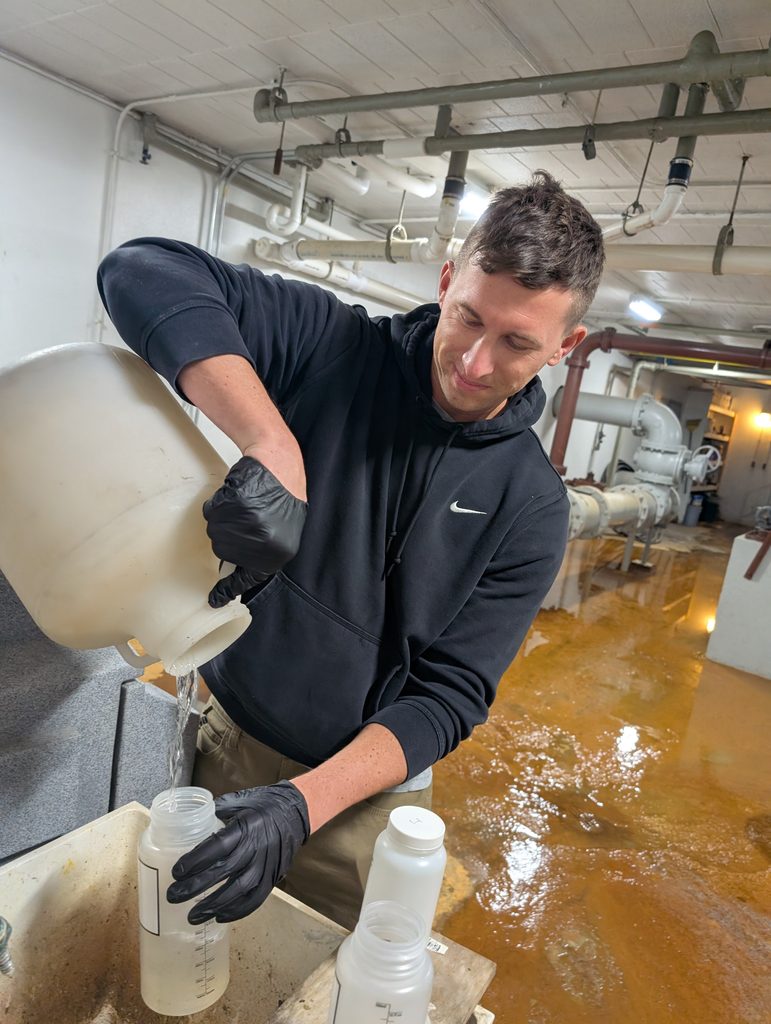
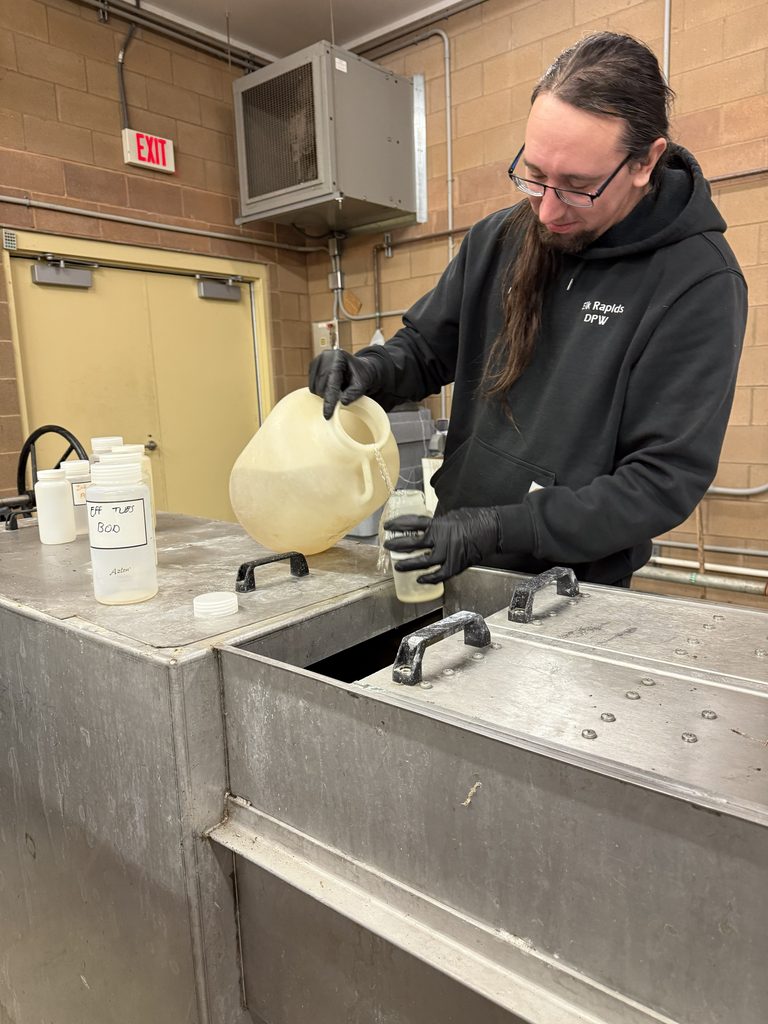
With a new laboratory technician learning the plant’s processes, automated checks have become useful for both training and quality control. The software flags results outside configured limits using red and yellow indicators and can send email alerts when readings require attention.
Peterson has also configured quality assurance and quality control checks for standards and duplicate samples. These help the technician identify potential inconsistencies during data entry, reducing the need for constant supervision while allowing issues to be investigated earlier.
Cloud access means Peterson can receive notifications when he is away from the plant, giving him visibility into results that may require follow-up.
Using operational data to plan upgrades
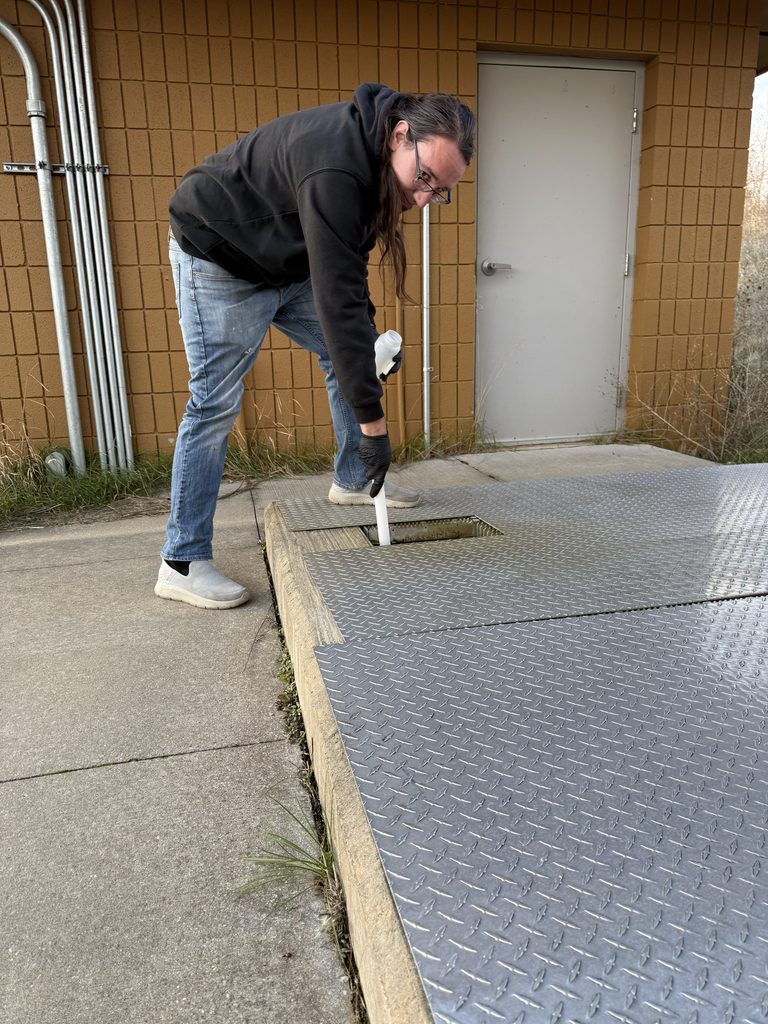
Without flow meters at its lift stations, Elk Rapids relies on pump runtimes recorded during weekly inspections to monitor system behaviour. Peterson uses these records to look for possible infiltration during rainfall and investigate changes in pump performance.
Longer-than-usual runtimes, for example, may indicate a blockage or additional inflow entering the system. Over time, these observations can help the team identify recurring problems and build an evidence base for infrastructure investment.
Peterson hopes to use the data to support requests to the local council for upgrades, including a new blower or other equipment. The aim is to connect operational observations with a clearer account of when investment is needed and why.
Building a longer-term record
The plant’s next step is to upgrade its supervisory control and data acquisition (SCADA) system, which still runs on Windows 7 and cannot currently integrate with Rio. Once the system is updated, Peterson hopes to import readings at 15-minute intervals, providing greater insight into overnight events and treatment performance.
He also plans to import historical records to strengthen seasonal trend analysis and inform decisions about chemical dosing and plant operations.
For a facility with such a small team, centralised records have implications beyond reporting efficiency. They can help preserve operational knowledge, support staff training and allow colleagues to take over more easily when someone is unavailable.
At Elk Rapids, the shift away from disconnected spreadsheets is helping turn day-to-day measurements into a more consistent record of plant performance — one that can support both immediate operational decisions and longer-term infrastructure planning.