
By: Alexandra Young, account executive, Aquatic Informatics
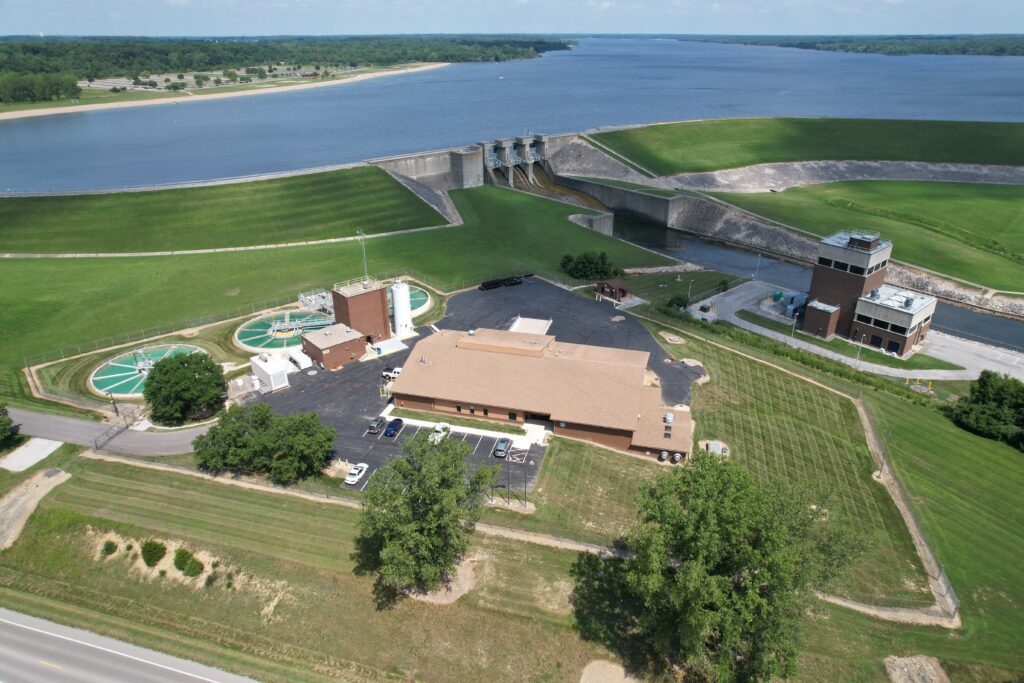
Del-Co Water, established in 1969, has grown into one of Ohio’s largest public water systems, serving more than 55,000 customers across eight counties in the US. With multiple raw water sources — including Alum Creek, the Olentangy and Scioto rivers, and regional aquifers — and storage capacity exceeding 2.6 billion gallons, the utility operates at significant scale. This growth has driven the need for more robust data management to support operations and regulatory compliance.
To address these demands, Del-Co implemented the Hach Water Information Management Solution (WIMS), replacing long-standing paper-based processes with a centralised digital platform.
From paper-based workflows to centralised data
Historically, water quality data was recorded manually and stored in physical archives. This created inefficiencies in data retrieval, increased the risk of errors, and limited visibility across teams.
“Before WIMS, we wrote everything on paper and kept it forever; you can imagine boxes and boxes of papers sitting in storage,” said its long-time employee Shannen Green. “The process was time-consuming and prone to errors.”

The transition to WIMS enabled direct data entry through customised bench sheets, reducing duplication and improving data accuracy. Centralised records also provide a clear audit trail and support faster issue identification through access to historical data and operator notes.
Del-Co Water plant manager Damon Dye noted that digital access has improved operational responsiveness: “Operators can now quickly pull up historical data… it is easier to stay on top of things and make quicker, better decisions.”
Automation improves dosing and operational efficiency
A key benefit of the platform is the automation of chemical dosing calculations. Previously performed manually, these calculations are now standardised using built-in formulas, improving both accuracy and efficiency.
The system also generates alerts if process adjustments do not achieve the desired outcome within a defined timeframe, allowing operators to intervene promptly.
This capability is valuable during high-flow periods, when turbidity levels fluctuate due to seasonal factors such as rainfall and snowmelt. By analysing historical data, operators can optimise dosing strategies and maintain water quality.
“In the first year… we used past turbidity and temperature data to determine the required dosage,” Dye said. “What used to take a day now takes 5 minutes.”
Streamlined regulatory reporting
The platform has also simplified compliance with the Ohio Environmental Protection Agency (EPA). Automated report generation enables operators to compile and submit required documentation with minimal manual input.
“As the operators enter data, it creates the monthly report for me… it saves hours and hours a month,” said Dye.
Laboratory workflows have similarly improved. Scheduling, data entry, and validation processes are now integrated, reducing reporting time from several hours to minutes while lowering the risk of input errors.
Managing change and scaling adoption
Initial resistance from operators and laboratory staff required targeted training and support. However, early operational gains helped drive adoption across the organisation.
Del-Co is now working to standardise usage across all treatment plants, with some facilities still transitioning fully from paper-based processes. The utility is also expanding its deployment with cloud-based and mobile capabilities to support field data capture.
Continuous improvement through data and collaboration
Looking ahead, Del-Co aims to further leverage analytics, including graphical dashboards, to enhance visibility of key parameters such as turbidity. The utility is also engaging with industry peers to share best practices and optimise system use.
The adoption of WIMS reflects a broader shift towards digitalisation in water utilities, where data-driven decision-making, automation, and regulatory alignment are becoming operational priorities.
For Del-Co, the transition has delivered measurable gains in efficiency, accuracy, and compliance — positioning the utility to better manage future challenges, including climate variability and evolving regulatory requirements.