
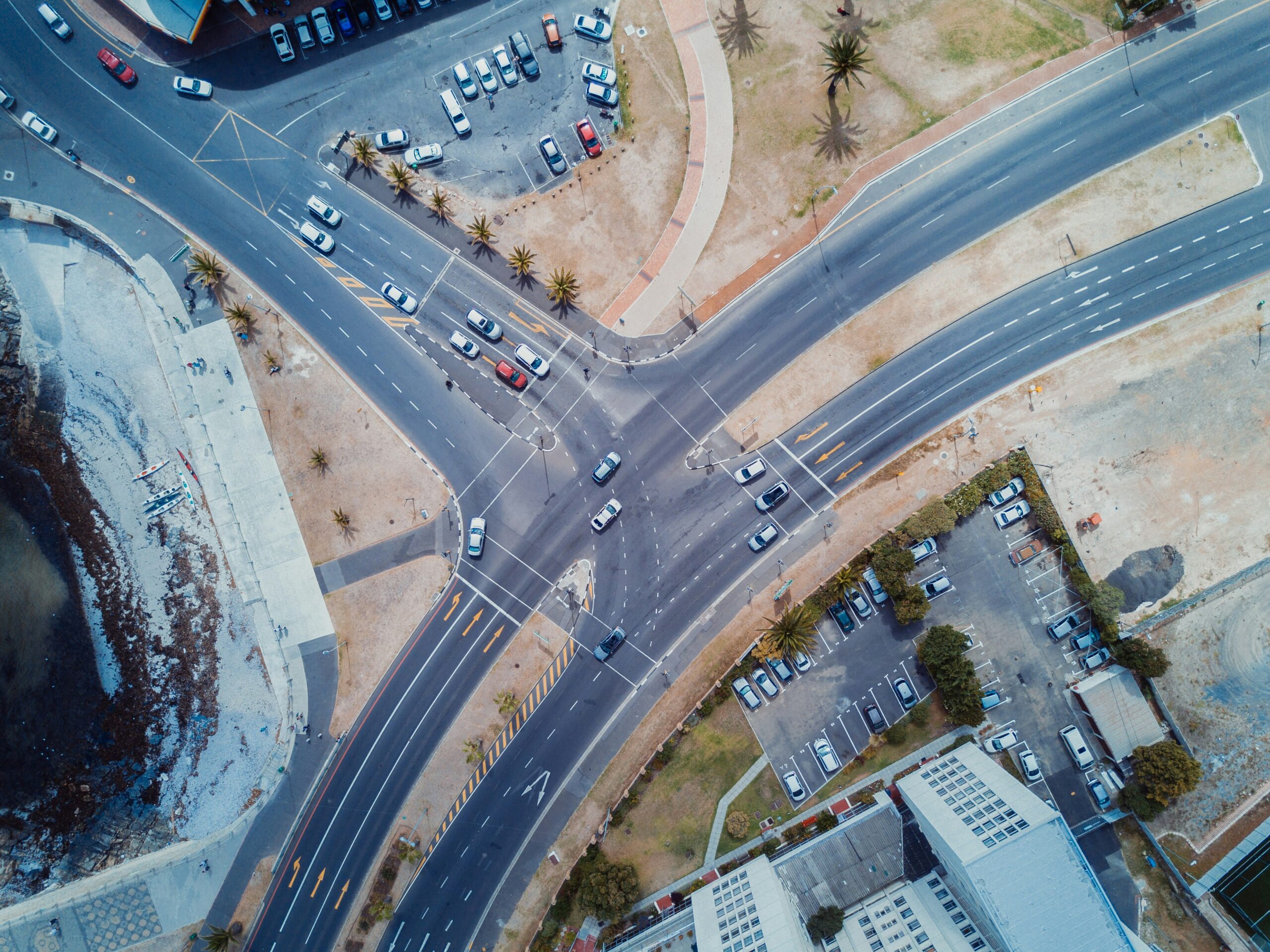
Bentley Systems has partnered with the Western Cape Government Department of Infrastructure to deploy its AI-powered Blyncsy technology across strategic sections of the province’s road network, in a move aimed at improving roadway safety, strengthening climate resilience and preventing infrastructure failures before they become life-threatening.
The initiative, which marks Blyncsy’s first deployment on the African continent, will monitor approximately 5,000km of roadway using automated computer vision and crowdsourced dashcam imagery to detect critical infrastructure issues in near real time.
The rollout comes as the Western Cape faces mounting pressure from extreme weather events, ageing infrastructure and constrained public budgets. Recent flooding incidents have isolated entire towns, underscoring the urgent need for more resilient and proactive roadway management systems that can keep transport routes operational during climate disruptions.
Blyncsy, part of Bentley’s Asset Analytics portfolio, uses machine learning (ML) to identify damaged guardrails, missing road signs, faulty streetlights, roadway debris and vegetation encroachment. Crucially, the system can also monitor vegetation overgrowth along roadsides — a key factor in maintaining driver visibility and preventing obstructions during the province’s increasingly frequent storm cycles.
The platform can also flag drainage-blocking debris and deteriorating roadside conditions before they escalate into major hazards or costly repairs, enabling authorities to intervene earlier and reduce risks for motorists and surrounding communities.
The technology supports the province’s Roads4U campaign and the Western Cape Infrastructure Framework 2050, both of which prioritise innovation-led infrastructure management and long-term resilience planning. By automating inspections and asset tracking, the department aims to accelerate maintenance response times while improving overall road safety outcomes.
Johannes Neethling, chief engineer for transport infrastructure systems in the Western Cape, said the deployment marks a shift towards preventative infrastructure management.
“This is not just about better data; it is about a proactive commitment to keeping our roads open and our citizens safe,” Neethling said.
He added that the department will now be able to maintain a continuously updated digital inventory of roadside infrastructure assets, enabling maintenance crews to prioritise interventions more efficiently and respond faster during severe weather events.
Mark Pittman, senior director of transportation AI at Bentley Systems, said the partnership demonstrates how transport authorities are increasingly using AI to improve public safety outcomes while modernising critical infrastructure networks.
“As we look toward bringing this technology to more markets worldwide, our goal remains clear: to replace historical precedent with AI-driven insights that reduce risk, lower costs, and ultimately save lives,” Pittman said.