

By: Tyler Skirvin, account manager, Radian Generation
California utility leverages software and specialist support to maintain regulatory compliance while advancing clean energy goals
As utilities face increasingly complex regulatory requirements alongside ambitious decarbonisation targets, Alameda Municipal Power (AMP) has adopted a technology-driven approach to compliance management that enables its lean workforce to focus on delivering reliable, clean energy.
Serving approximately 70,000 customers in California’s Bay Area, AMP has achieved 100% clean power generation since 2020 — well ahead of the state’s target of reaching carbon-free electricity by 2045. The municipally owned utility relies on a diverse energy mix comprising geothermal, biomass, wind and hydroelectric power.
However, maintaining compliance across multiple regulatory frameworks presents an ongoing challenge for smaller utilities with limited internal resources.
Navigating a complex compliance landscape
AMP is subject to oversight from both the North American Electric Reliability Corporation (NERC) and the Western Electricity Coordinating Council (WECC), requiring continuous monitoring, reporting and documentation across a wide range of operational, cybersecurity and infrastructure standards.
The utility must comply with approximately 30 NERC standards covering areas such as critical infrastructure protection, personnel training, cybersecurity and physical security. In parallel, WECC’s Compliance Monitoring and Enforcement Programme (CMEP) requires participation in reliability assessments, operational coordination and infrastructure protection measures.
For AMP, which operates with around 85–90 employees, maintaining audit readiness while managing day-to-day operations could easily become resource-intensive.
Combining software with specialist expertise
Rather than establishing an in-house compliance department, AMP partnered with compliance services provider Radian Generation, adopting a hybrid model that combines managed compliance services with a dedicated software platform.
The platform acts as a centralised repository for compliance activities, integrating automated deadline reminders, document management, reporting tools and audit evidence tracking. It also supports maintenance scheduling, testing programmes and workflow approvals, helping ensure compliance obligations are addressed systematically.
“We have bi-weekly calls with Andre and his team to review upcoming deadlines and compliance tasks that are all tracked and managed in the software,” said Matthew Detmers, compliance manager at Radian Generation.
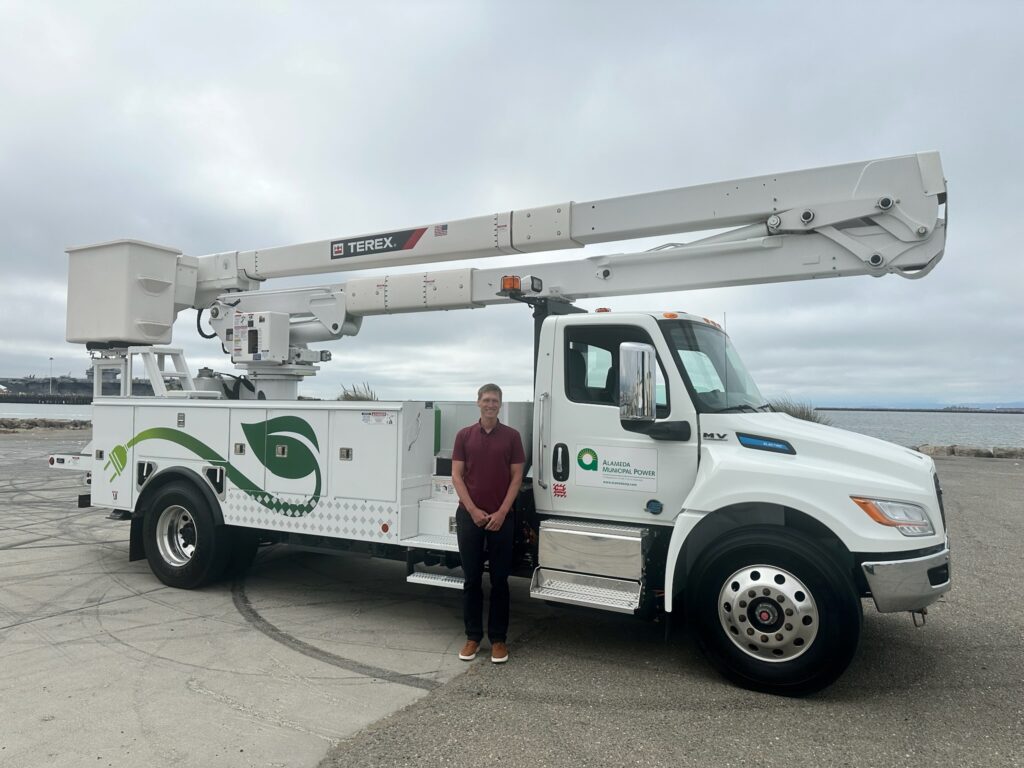
“Andre can go into the platform at any time to get a snapshot of where things are at and receive reminders for action needed.”
Beyond software support, Radian’s team oversees regulatory reporting, monitors compliance obligations and prepares documentation for NERC and WECC submissions.
According to Andre Basler, assistant general manager at AMP, the arrangement reduces the administrative burden on internal teams.
“Matthew prepares all the documentation, and I just need to do a quick check to verify and approve. His team then submits NERC and WECC regulatory reports as needed,” Basler added.
Improving efficiency and reducing risk
The partnership has enabled AMP to maintain a strong compliance posture while directing resources towards its core mission of delivering affordable and sustainable electricity.
By centralising compliance processes and automating documentation management, the utility has simplified self-certifications and regulatory reporting while reducing the risk of missed deadlines or incomplete records.
The digital platform also strengthens audit readiness by ensuring evidence and compliance records remain organised, accessible and securely stored.
For AMP, the approach demonstrates how smaller utilities can leverage technology and external expertise to address growing compliance demands without expanding internal headcount.
As regulatory requirements continue to evolve alongside the energy transition, digital compliance platforms are increasingly becoming a critical tool for utilities seeking to balance operational efficiency, risk management and long-term sustainability goals.