
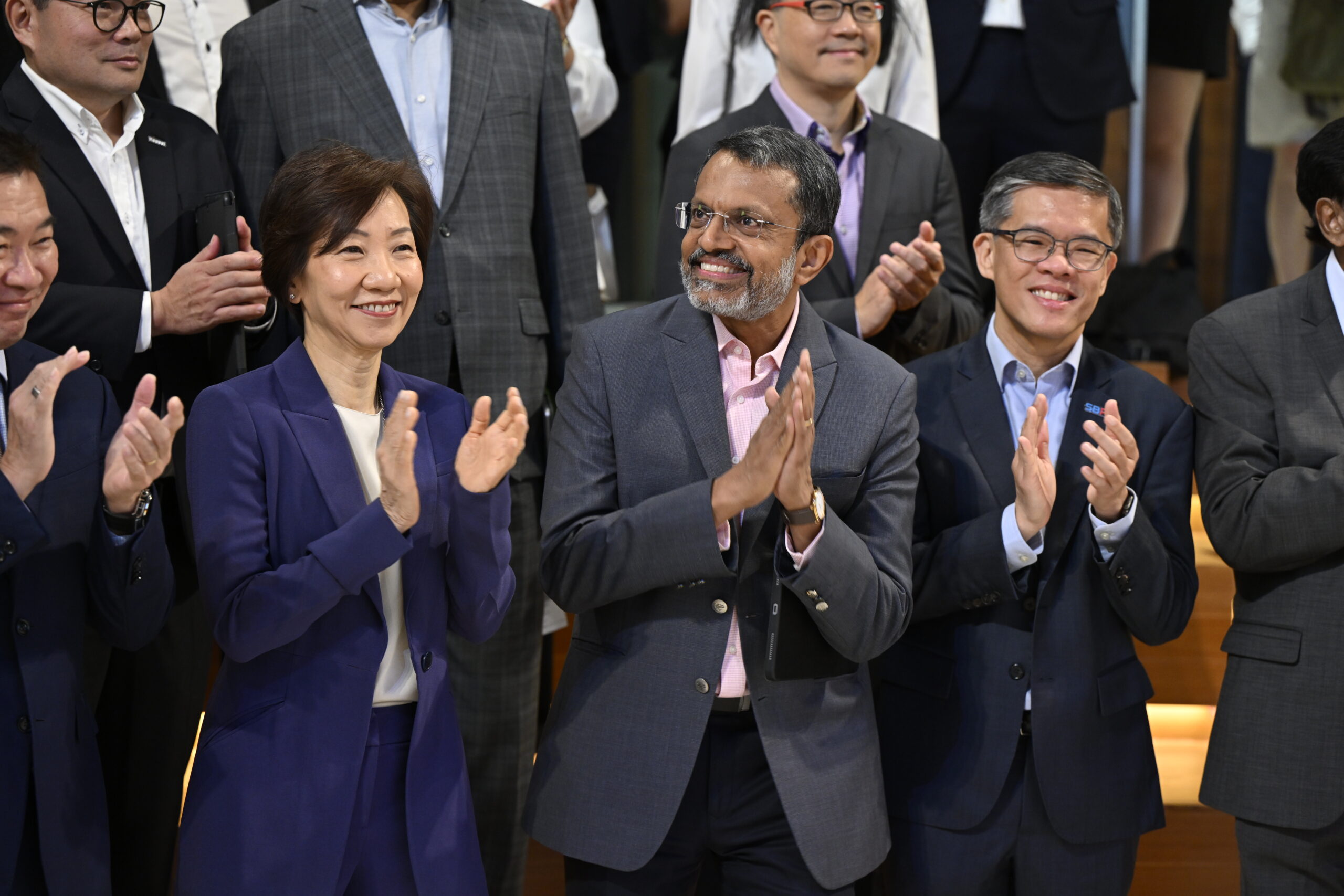
Gprnt and Singapore Exchange (SGX) Group have partnered to strengthen Singapore’s sustainability reporting ecosystem, enhancing the ESGenome digital disclosure portal to help listed companies navigate mandatory climate reporting while supporting the country’s broader transition to a low-carbon economy.
Announced at the inaugural SGX Group–Gprnt Climate Action Forum, officiated by Minister for Sustainability and the Environment and Minister-in-charge of Trade Relations Grace Fu, the collaboration marks a step towards creating a common digital infrastructure for sustainability reporting across Singapore.
The enhanced ESGenome platform streamlines climate-related disclosures aligned with the International Sustainability Standards Board (ISSB), automates Scope 1 and 2 emissions calculations using trusted government data, and will progressively introduce AI-powered tools to support climate risk assessments, target setting and transition planning. By reducing reporting complexity, the platform aims to help companies focus on translating disclosures into meaningful climate action.
The initiative also complements the work of the Council for a Competitive Climate Transition (C3T), which is encouraging SGX-listed companies to lead sustainability efforts across their value chains. Through participation in the Green 100 national movement, larger companies can support suppliers and business partners in building sustainability capabilities, improving Scope 3 emissions reporting and unlocking opportunities in sustainable procurement and green financing.
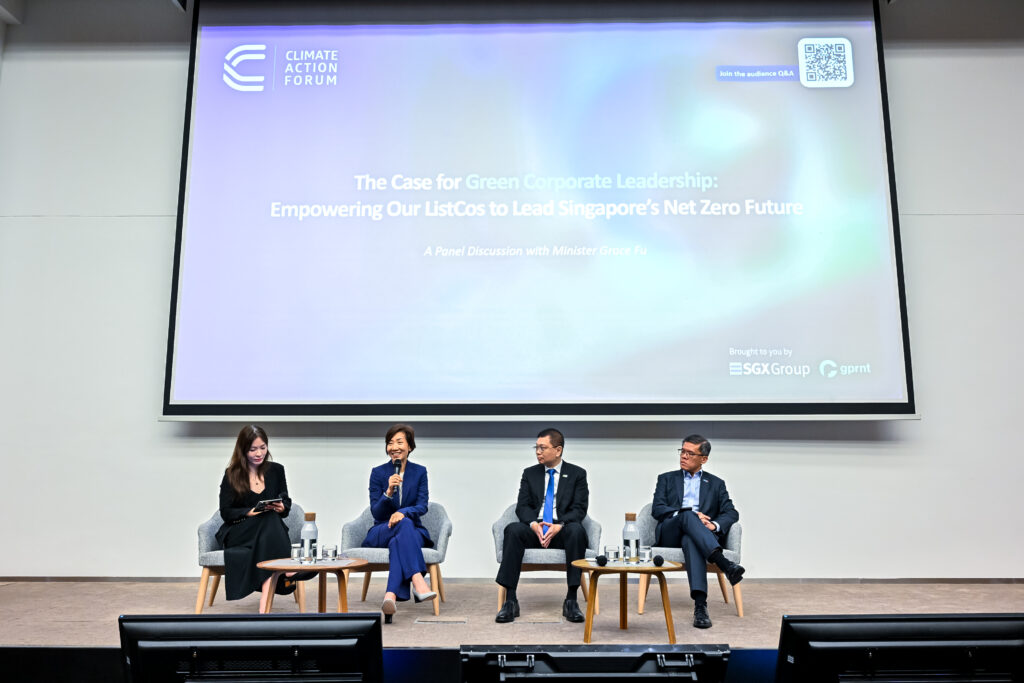
“Companies are increasingly integrating climate-related risks and opportunities into strategy and risk management, and investors want confidence that these issues are being actively monitored and addressed,” said Chan Kum Kong, head of capital market development at SGX Group.
“Large public companies can play an important role in lifting capability across their value chains. Done well, this is not just climate action — it strengthens resilience, competitiveness and long-term enterprise value.”
Kok Ping Soon, co-chair of the C3T, said climate reporting should be viewed as a driver of business competitiveness rather than a compliance exercise.
“Half of Singapore businesses expect climate risks to affect them and see decarbonisation as a way to lower costs, yet many SMEs have yet to begin their sustainability journey,” he said. “Listed companies can lead from the front by bringing their suppliers along. Through C3T, we look forward to turning reporting into action, and action into competitive advantage.”
Lionel Wong, CEO of Gprnt, said the partnership reflects a broader shift towards a unified sustainability ecosystem.
“What began as an effort to simplify sustainability reporting has evolved into a common infrastructure for nationwide disclosures,” he said. “Through ESGenome and the Green 100, we are creating a shared foundation for ESG reporting, trusted data, transition planning, value-chain engagement and sustainable finance, making it easier for companies of all sizes to participate meaningfully in Singapore’s green transition.”
Together, the partnership positions ESGenome as more than a reporting platform. By connecting sustainability disclosures with transition planning, supply chain engagement and financing opportunities, it aims to strengthen the resilience and competitiveness of businesses across Singapore while supporting the nation’s climate ambitions.