
By: Laura Dority, regional manager, Mueller Water Products
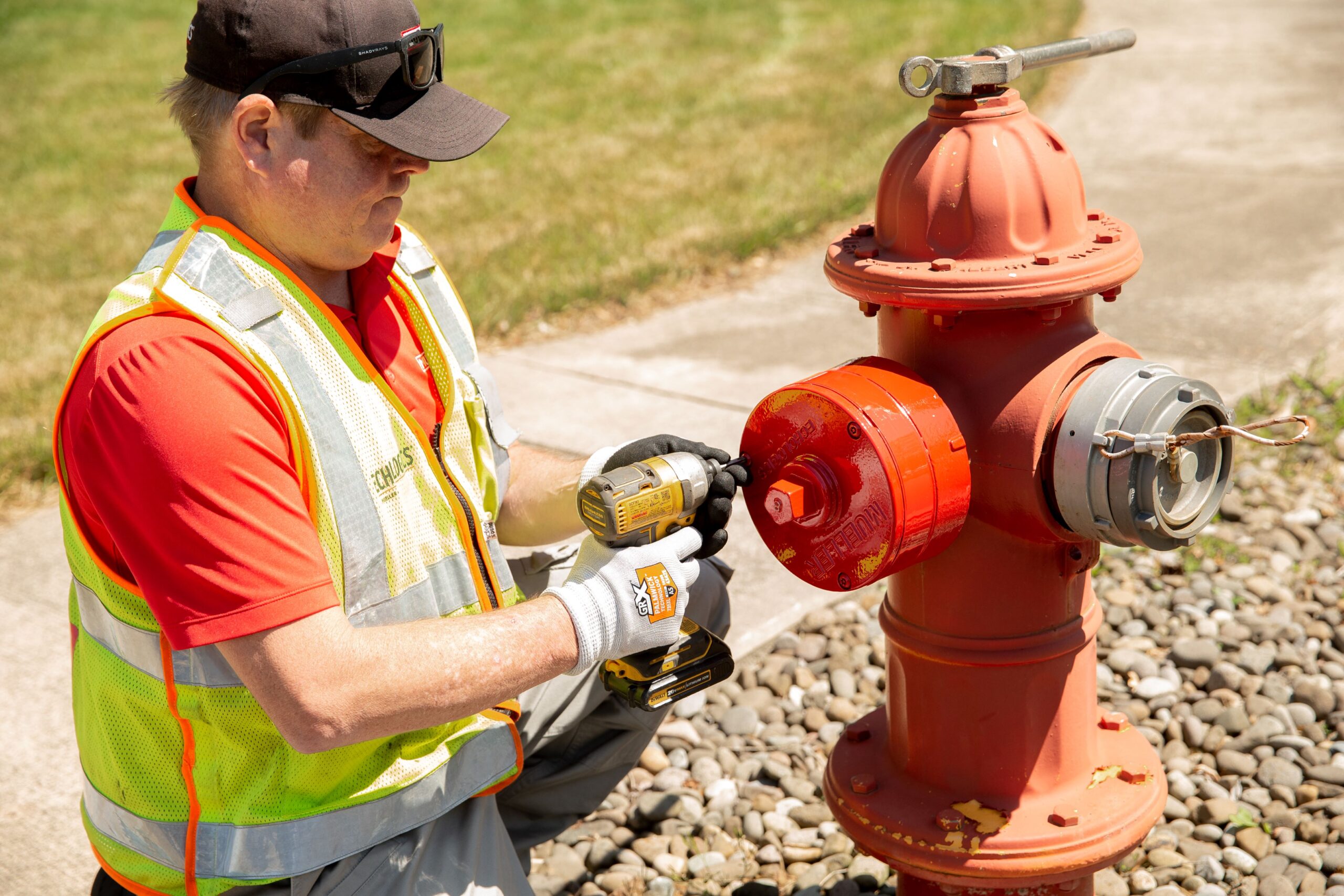
Pipe condition assessment
Effective non-revenue water (NRW) management begins with understanding the structural condition of water distribution assets. Pipe condition assessment technologies provide utilities with actionable data to prioritise rehabilitation and replacement based on actual asset condition rather than pipe age.
Acoustic condition assessment is a non-invasive technique that evaluates the structural integrity of pressurised pipelines by analysing the propagation of low-frequency sound waves through the pipe wall. The measured wave velocity is used to estimate remaining wall thickness and structural condition across a range of materials, including asbestos cement (AC), cast iron (CI), ductile iron (DI), steel, and prestressed concrete cylinder pipe (PCCP).
Solutions such as ePulse can simultaneously identify structural deterioration and existing leaks, allowing utilities to target intervention on the highest-risk assets. Assessment reports typically include leak locations, estimated wall loss, qualitative condition ratings, and, where historical asset data is available, projected remaining service life. This condition-based approach enables utilities to optimise capital expenditure, extend asset life, and reduce long-term NRW by replacing only the most deteriorated pipeline segments.
Leak detection
Continuous leak detection has become an essential component of NRW management, enabling utilities to identify and address water losses before they escalate into major failures.
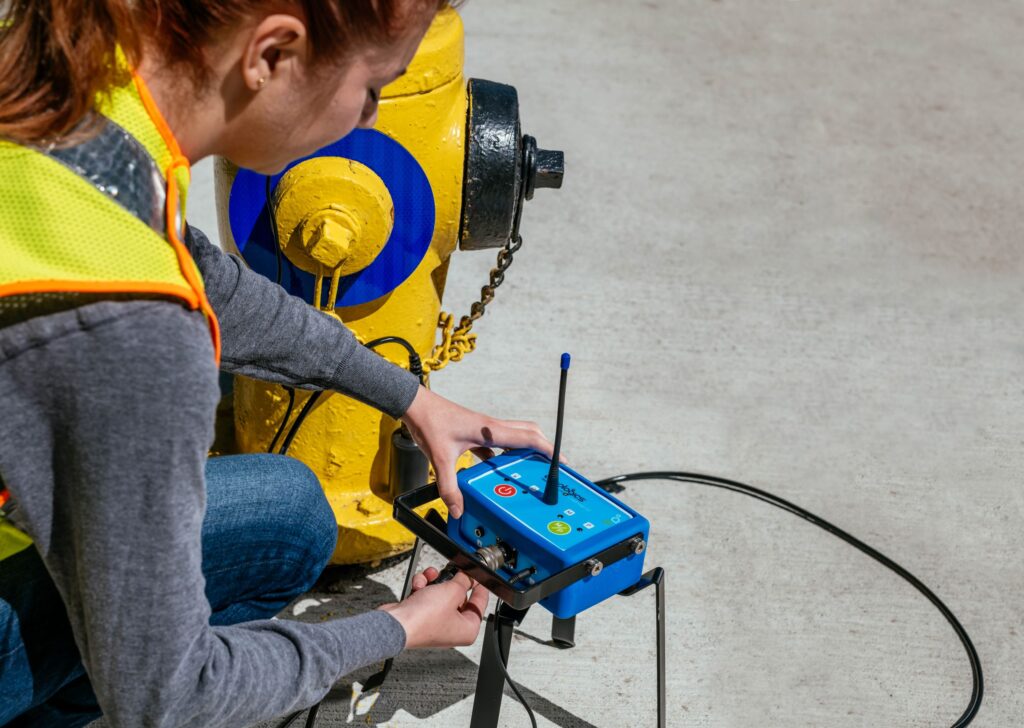
Permanent acoustic monitoring systems use sensors installed on existing network infrastructure, such as hydrants and valves, to continuously monitor pipeline conditions. Acoustic data is processed using machine learning and signal analysis algorithms to detect leak signatures and generate real-time alerts for utility operators.
The EchoShore permanent leak monitoring system is available in configurations for both distribution and transmission networks. EchoShore-DX is designed for distribution mains, providing continuous monitoring of developing leaks and supporting maintenance prioritisation. EchoShore-TX is intended for transmission mains 400mm and larger, using hydrophone sensors capable of monitoring long pipeline sections, including critical crossings and high-consequence assets.
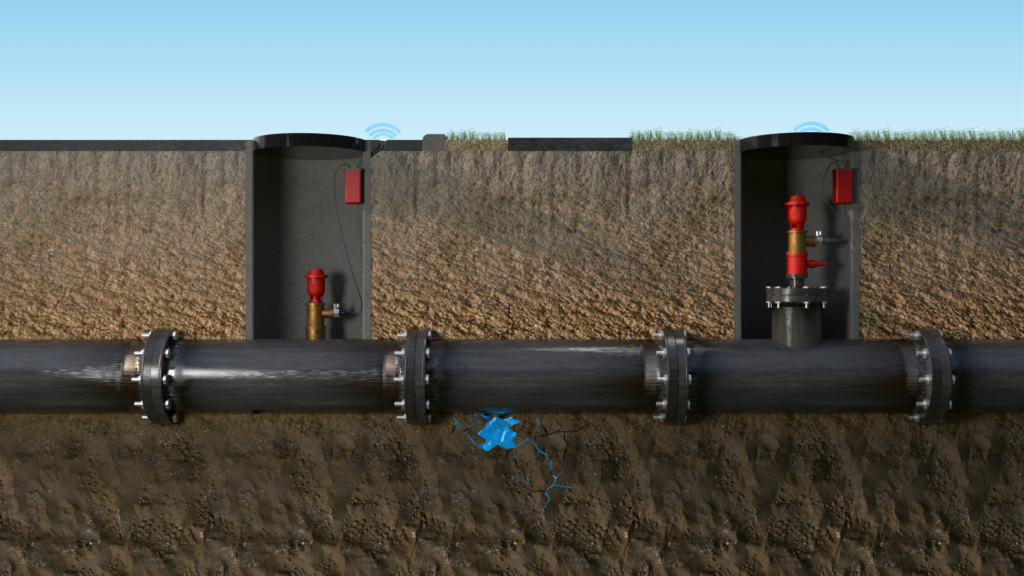
Monitoring data is integrated into the Sentryx Water Intelligence platform, which provides network visualisation, sensor diagnostics, key performance indicators, and mobile tools for field investigations. Utilities can track leak progression, document inspection outcomes, and coordinate repair activities through a centralised interface. Human analyst review can also be incorporated alongside automated analytics to validate alerts and reduce false positives.
Pressure monitoring and management
Pressure management remains one of the most effective operational strategies for reducing leakage, extending asset life, and lowering the frequency of pipe bursts.
Advanced pressure management platforms combine real-time pressure and flow measurements with cloud-based analytics to continuously optimise pressure reducing valve (PRV) settings. Technologies such as i2O use dynamic head-loss modelling to maintain target pressures at critical downstream locations while automatically adjusting to changing demand patterns.
Rather than operating PRVs at fixed settings, the control algorithm recalculates optimal pressure profiles on a regular basis, preventing unnecessary over-pressurisation during periods of low demand, particularly overnight. This reduces background leakage, minimises pressure transients that contribute to pipe fatigue, and improves overall network stability.
By maintaining only the pressure required to meet customer demand, utilities can reduce water losses, lower burst frequency, decrease repair costs, and improve the long-term resilience of distribution infrastructure.